Mandatory Employee Training

Workplace Hazard Prevention & Emergency Response.

Your safety is the priority. This mandatory training module outlines exactly how to identify daily workplace hazards, prevent accidents, and respond calmly and correctly to emergencies like fires, chemical spills, and evacuations.

Begin Training Video
Workplace Safety Briefing

Core Safety Protocols

Review the procedures below. You are required to know how to react to these specific scenarios while on company premises.

Fire Safety Protocol

Fire Prevention & Management

Prevention:

Keep flammable materials away from heat sources. Never daisy-chain power strips or overload electrical outlets. Keep fire doors closed at all times.

Emergency Response (R.A.C.E.):
  • R - Rescue: Help anyone in immediate danger if safe to do so.
  • A - Alarm: Pull the nearest fire alarm and call 911.
  • C - Confine: Close doors behind you to isolate the fire.
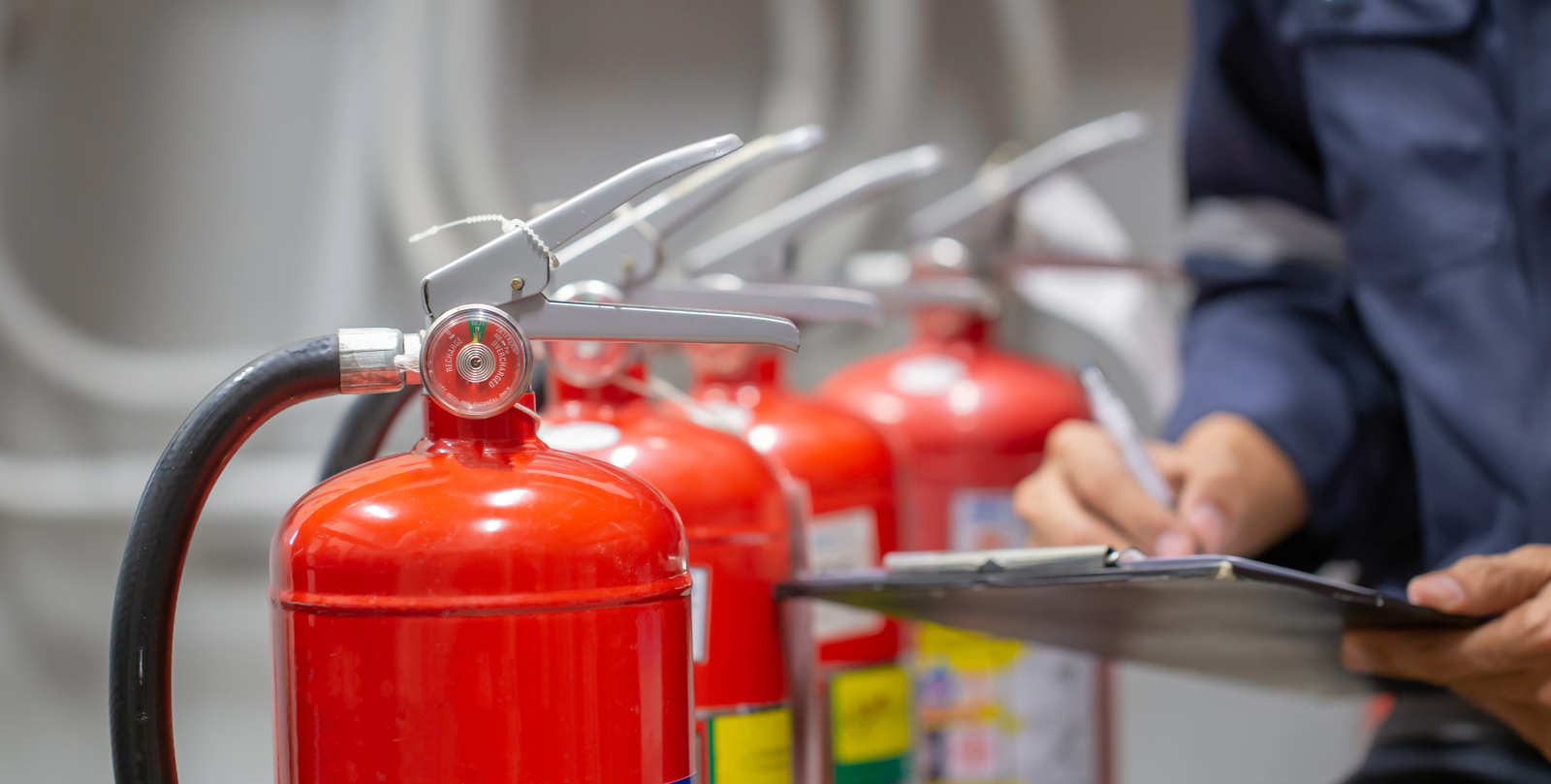
  • E - Extinguish/Evacuate: Only use an extinguisher if trained and the fire is small. Otherwise, evacuate immediately.
Trip and Fall Prevention

Slips, Trips & Physical Hazards

Prevention:
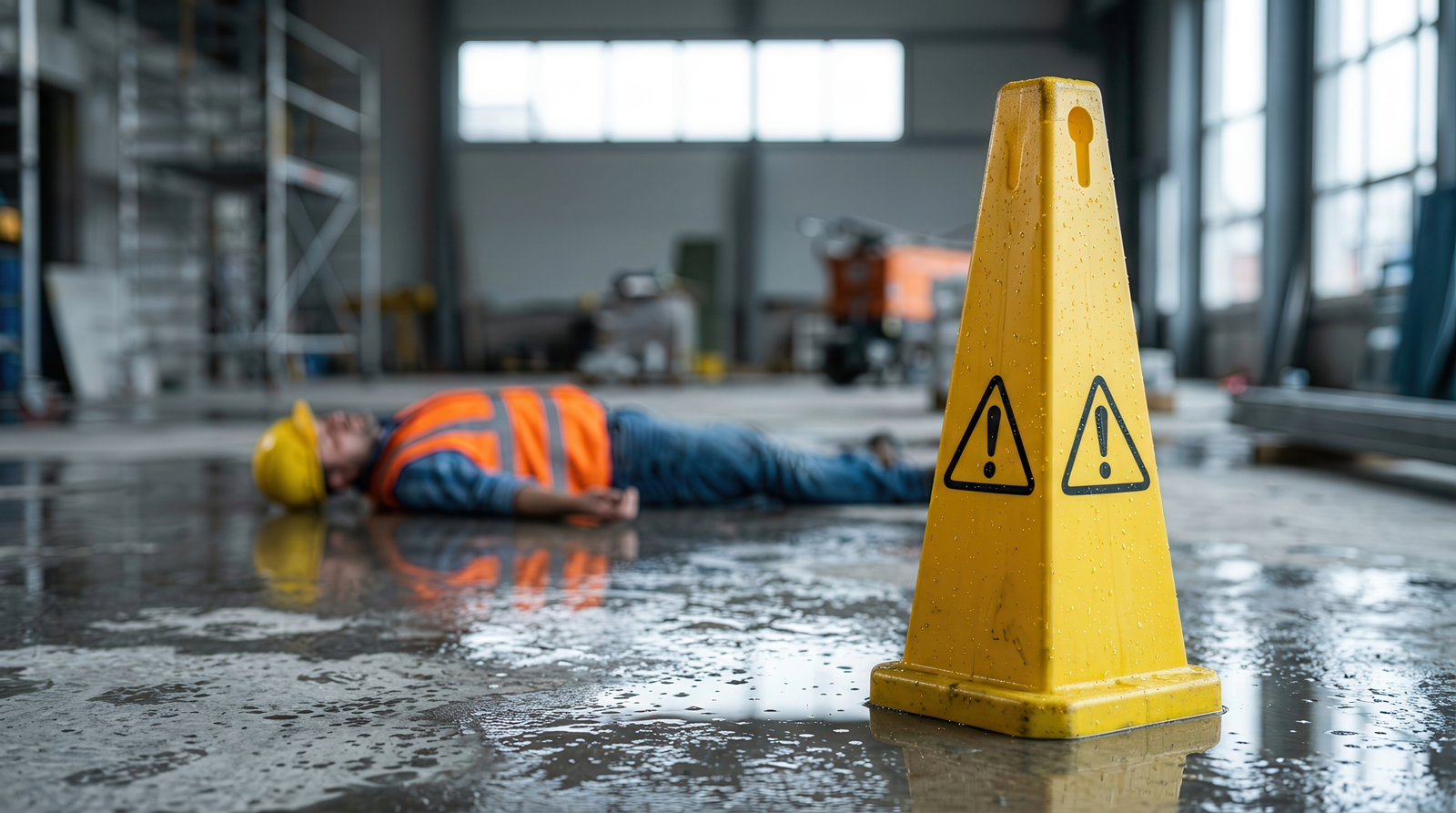
  • Clean up spills immediately and deploy "Wet Floor" signs.
  • Keep walkways, stairs, and exits clear of boxes and cords.
  • Use proper lifting techniques: bend at the knees, keep the load close, do not twist.
  • Report broken flooring or burnt-out stairwell lights to maintenance.
Response to Injury:

If you spot a hazard, stay nearby to warn others while contacting facilities. If a coworker is injured, do not move them unless they are in immediate secondary danger. Call the internal emergency line immediately.

Chemical Response

Chemical & Material Spills

Prevention & Handling:

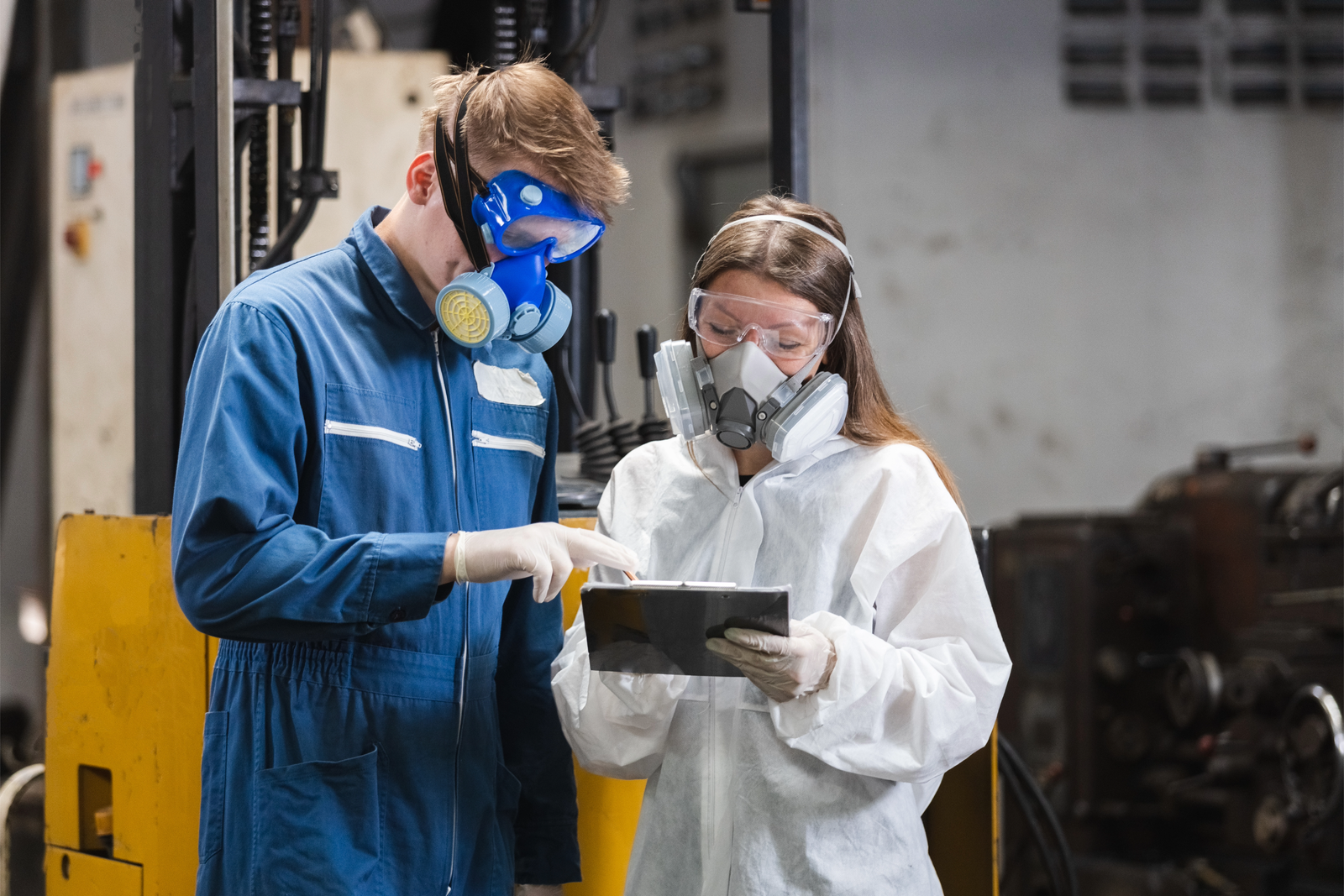
Always read the Safety Data Sheet (SDS) before handling any new chemical. Wear required Personal Protective Equipment (PPE) such as gloves and goggles. Never mix unknown cleaning agents.

Spill Response Protocol:
  1. Do not touch or attempt to clean an unknown spill.
  2. Isolate the area by asking people to step back and closing doors if possible.
  3. Evacuate the immediate vicinity if fumes are present.
  4. Notify the Hazmat team or your floor supervisor immediately.
Evacuation Routes

Emergency Evacuations

Preparation:

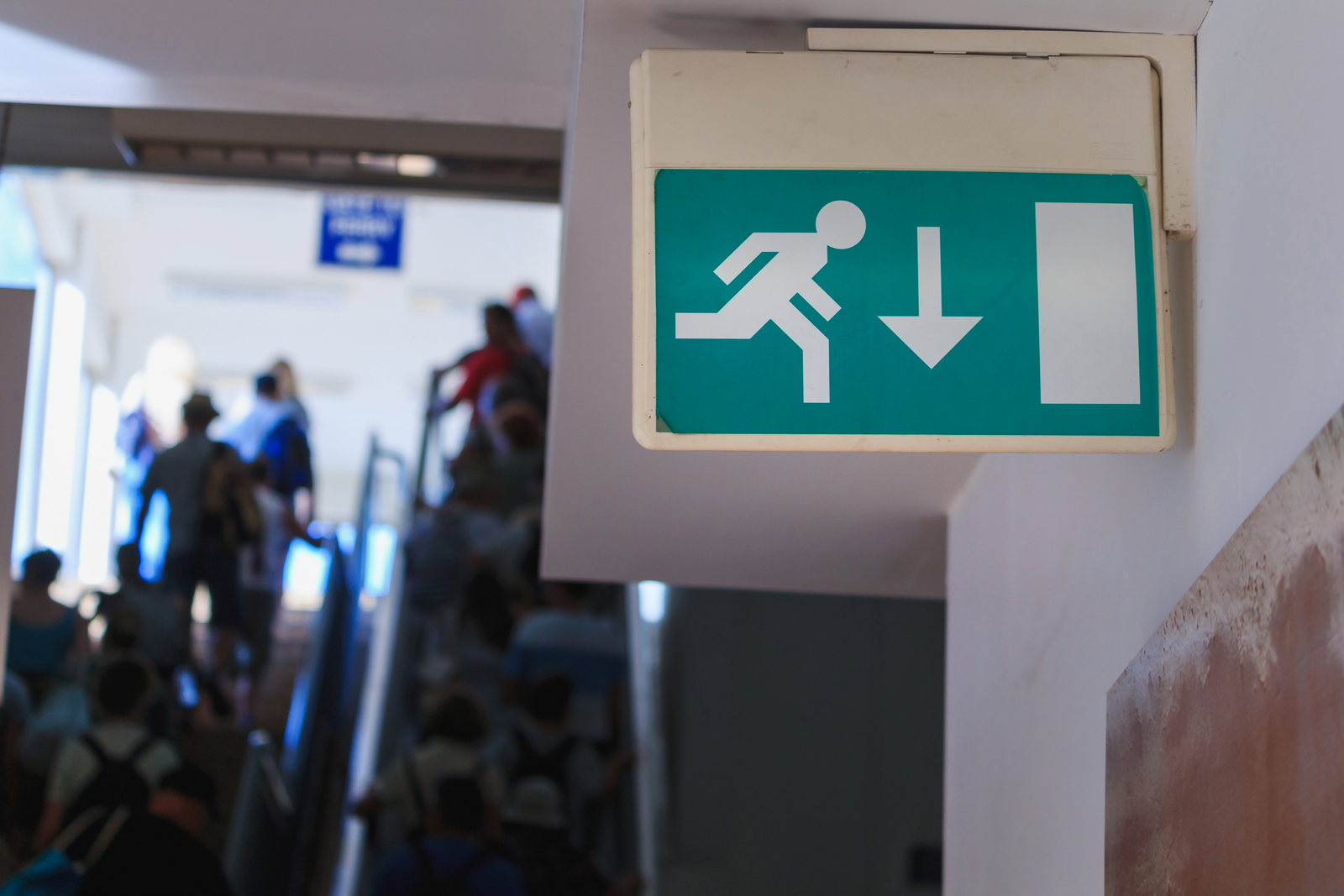
Familiarize yourself with at least two exit routes from your primary workspace. Know the location of your designated outdoor assembly area.

During an Evacuation:
  • When the alarm sounds, leave immediately. Do not finish "one last email".
  • Leave personal belongings behind; take only your keys and phone if they are in your pocket.
  • Never use elevators during an alarm. Use the stairs.
  • Proceed directly to the assembly point and check in with your safety warden. Do not re-enter the building until cleared.
Interactive Video Briefing

Facility Safety Briefing

Watch this mandatory training briefing. You must complete the video and follow the prompts to register your module completion.